Phenomena have been observed for thousands of years. Many different cultures have told stories and legends about what has caused what they observed. These stories and legends have often included a god as the “cause” in the cause and effect relationship.
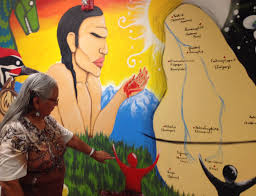
But what does this have to do with teaching? What does this have to do with how I as a Westerner interact with the local Ktunaxa people?
For me the profound, “aha” moment came for me when Phil talked about how we as a society are smarter than those who came before us. Not necessarily more intelligent, but smarter because we are standing on the shoulders of those who came before us. Settlers who came before us did not understand the immense importance of listening to the Ktunaxa people about caring for the land. Therefore when I think about a scientific understanding I am drawn back to thinking about what the Original People have to say.
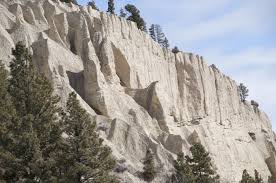
As a result, I can not discount the legends because they are not scientific. I see it as a different way of understanding. There is a scientific, Western understanding, that is valid and is useful in describing the physical reason for various phenomena. However, there is an equally valid spiritual, non-material, understanding as well. I often think that our Western understanding is hyper focused on the material world, and we lose sight of the beauty of the spiritual world. When I think about the Ktunaxa Creation story I am able to understand how important different understandings are because of the important relationships people have with the land when there is more than material at stake. The spiritual connection to landmarks like the hoodoos make taking care of the area an integral part of a person; however, if the connection is merely physical the connection is far easier to break.
An example of an activity I can use in my class to encourage thinking about various phenomena is described below:
The only addition I would like to make would be to consider non-material explanations as well. This could be a wonderful way to tie in English Language Arts. Perhaps the students are asked to write a legend about what has caused this to occur. Allowing space for alternative, non-Western, explanation honours different ways of understanding.
See (observe)
Think (interpret)
Wonder (hypothesis)
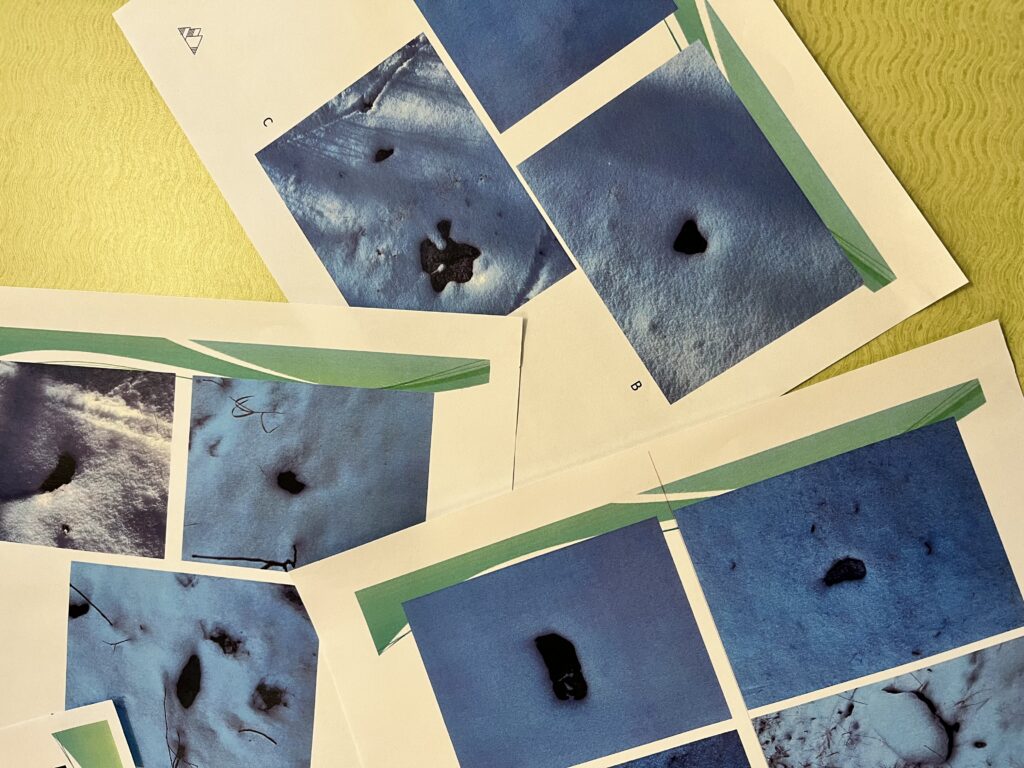
First observe a phenomenon. In our example we looked at pictures of rocks in snow. In this first step we were to record only what we saw and not make any conclusions at this point.
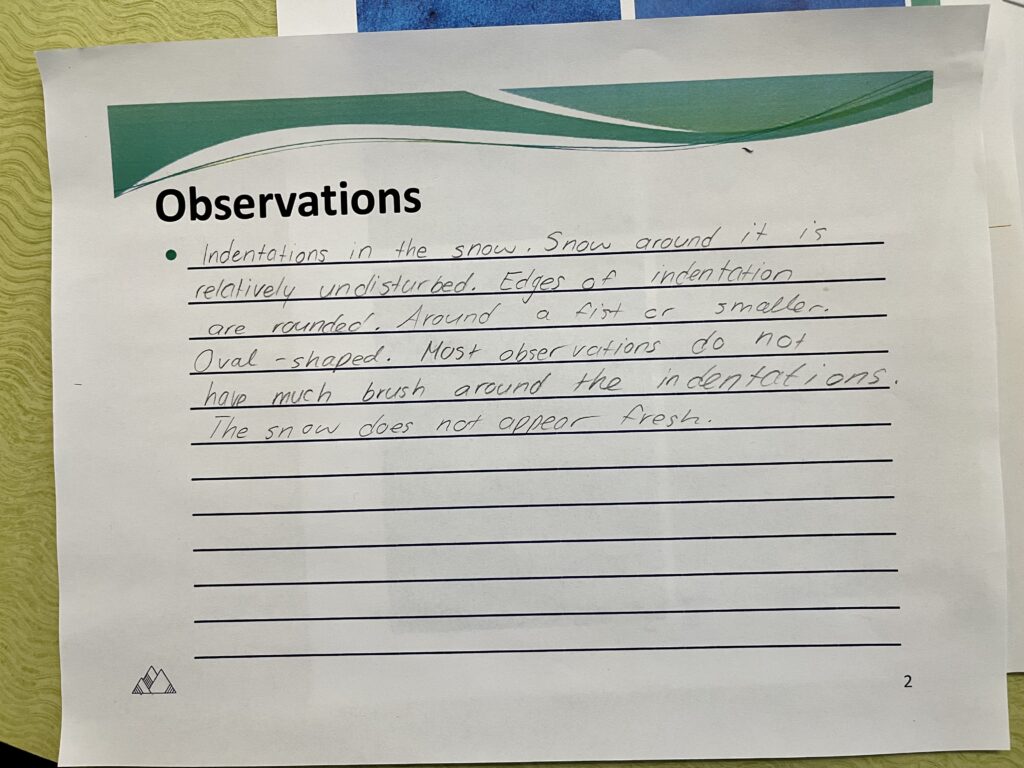
Next, we were to start interpreting our observations and putting the “puzzle” together.
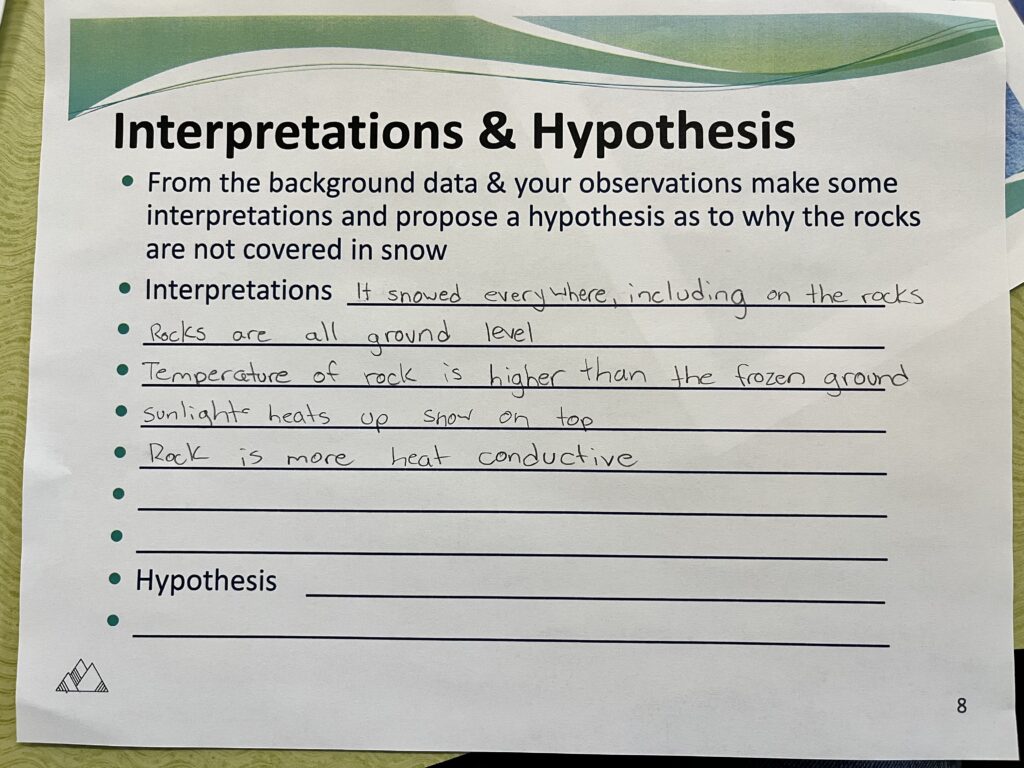
Finally, in the hypothesis stage we were to suggest a reason for why this event was happening. This is the stage where an inquiry project with the phrase, “your ideas are really thought provoking, we are going to do some research to find out what is happening.”
Leave a Reply
You must be logged in to post a comment.