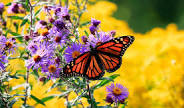
Asters and Goldenrods. Purple and gold. These colours are pleasing to us for a very good reason. These colours complement each other. As Robin Wall Kimmerer notices, in Braiding Sweetgrass: Indigenous Knowledge, Scientific Wisdom, and the Teaching of Plants, these flowers do not need to be pleasing to humans for survival. So why do they bother, scientifically speaking? It just so happens, Kimmerer explains, that what is beautiful to us two legged creatures, is also pleasing to the winged pollinators.
This got me to thinking that just because I cannot explain something scientifically, whether that is because I lack the knowledge or because it has not been discovered yet, does not mean that the thing in question is to be discounted. For me this is profound as a teacher. While I want to teach my students the information that is in the Curriculum, I also want them to understand that the Western perspective is lacking. There is profound beauty in other ways of understanding.

In our science demonstrations I noticed just how beautiful food colouring is in cold water. A spreading orb of colour suspended in liquid, spreading as if in slow motion. There is of course a scientific explanation for this. However, that explanation does not discount the moment of peace and joy I felt at seeing that. I did not feel those things because I understood the molecules were moving slowly and were therefore not spreading the colour around as quickly as the hot water in the neighbouring container. No. It was a simple moment of observed beauty. If I can teach that to my students, that everything is connected, science-art-regulation-math-love-the whole world, then I will be a part of something truly beautiful.
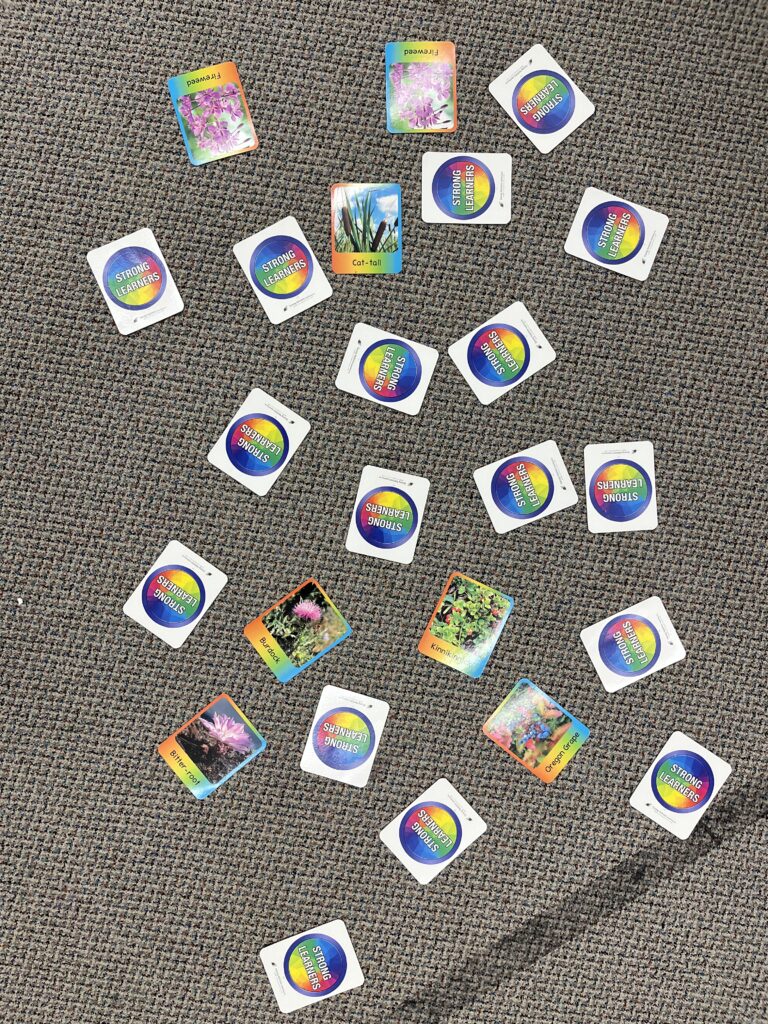
Some tools I picked up that I do not want to forget are:
Using this matching game to learn local plants paired with the First Voices app to learn the names in Ktunaxa. In order to make the game go faster, leave the cards face up so kids can find a match easier.
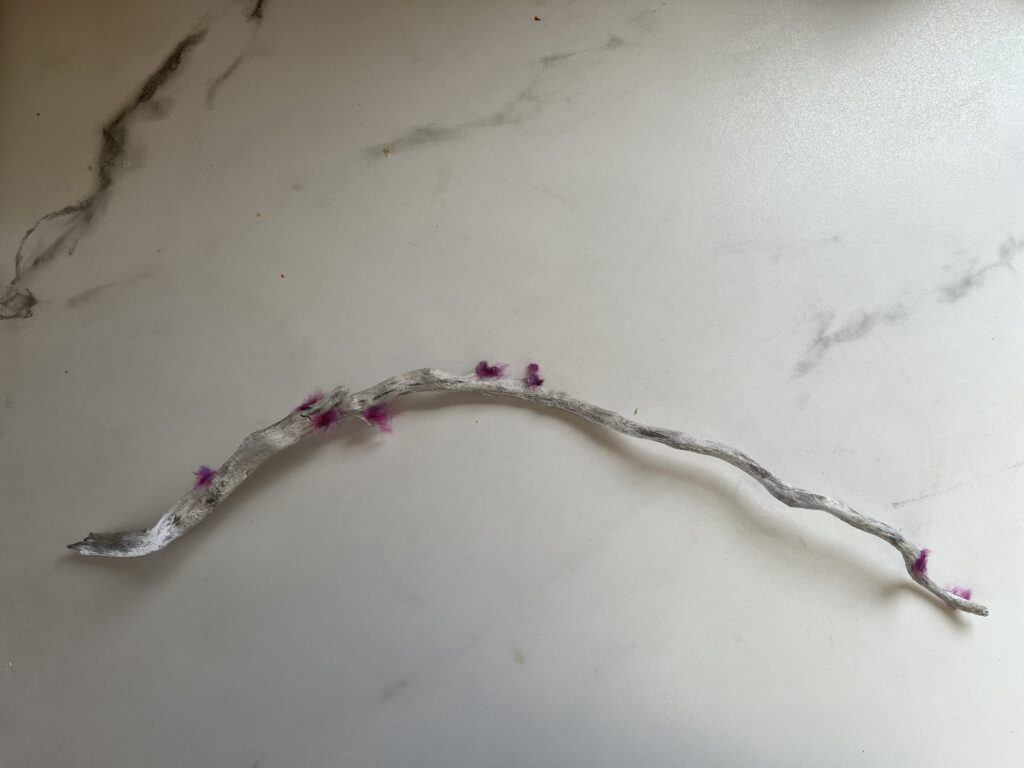
Also a great cross-curricular activity is to collect sticks and have the students make up a new plant. Have them write the name, how they found it, and what it is used for.