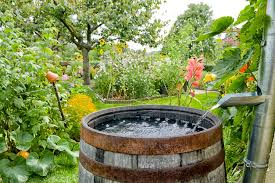
I don’t think that I am alone in feeling like environmentalism has felt so daunting and hopeless that it is hard to know where to begin. I care so deeply about Creation, yet feel so powerless to contribute anything truly meaningful. I make my efforts: planting a garden, composting, and conserving water; but what does that even matter when the big polluters of the world pour toxins into the atmosphere? I’m just one person. How much of a difference can I really make? And how much mental energy can I afford in feeling guilty when there is a beautiful life to get on with?
I think I have fallen prey to ecophobia. I’ve been scared to the point of disassociation. I have consciously or subconsciously distanced myself from thinking about the state of the Planet and what the future holds. While I do think there is some wisdom in not becoming worried about things beyond your control, I also think there is some apathy that sets in.
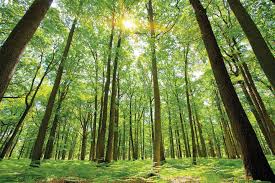
Moving beyond echophobia, for me, requires us to step back and fall in love with the living world. Instead of becoming hostile towards it we simply need to spend time being in it.
In an educational setting this means taking our students outside. Planning activities that inspire empathy. For example, I loved the group that made bird wings for each child. They spent time being in the woods like birds: making nests and painting their wings to look like the birds they saw. This activity sparked the children’s natural curiosity to find out more about the birds: what did they eat, what did they need to survive, and how can I help? This activity is good for the primary years.
Other age appropriate activities for the intermediate years could be making maps of the local area around each child’s home, school, and community. Additionally, fort building outside in nature is very beneficial to connecting to the land at this age. Or perhaps exploring a creek to study the water cycle: “Wet sneakers and muddy clothes are prerequisites for understanding the water cycle” (Beyond Ecophobia, David Sobel, 1993).
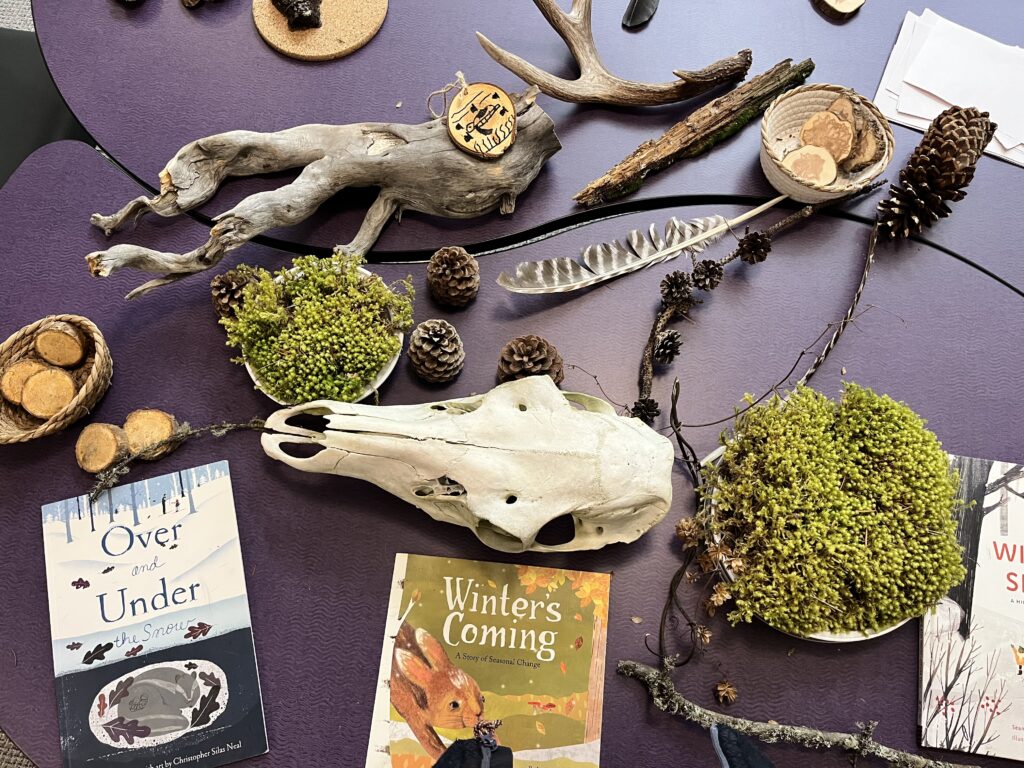
Once children reach adolescence, around age 12-15, they are ready to start thinking beyond their own small world and expand their love of nature and the Earth. This is the stage where social action becomes appropriate.
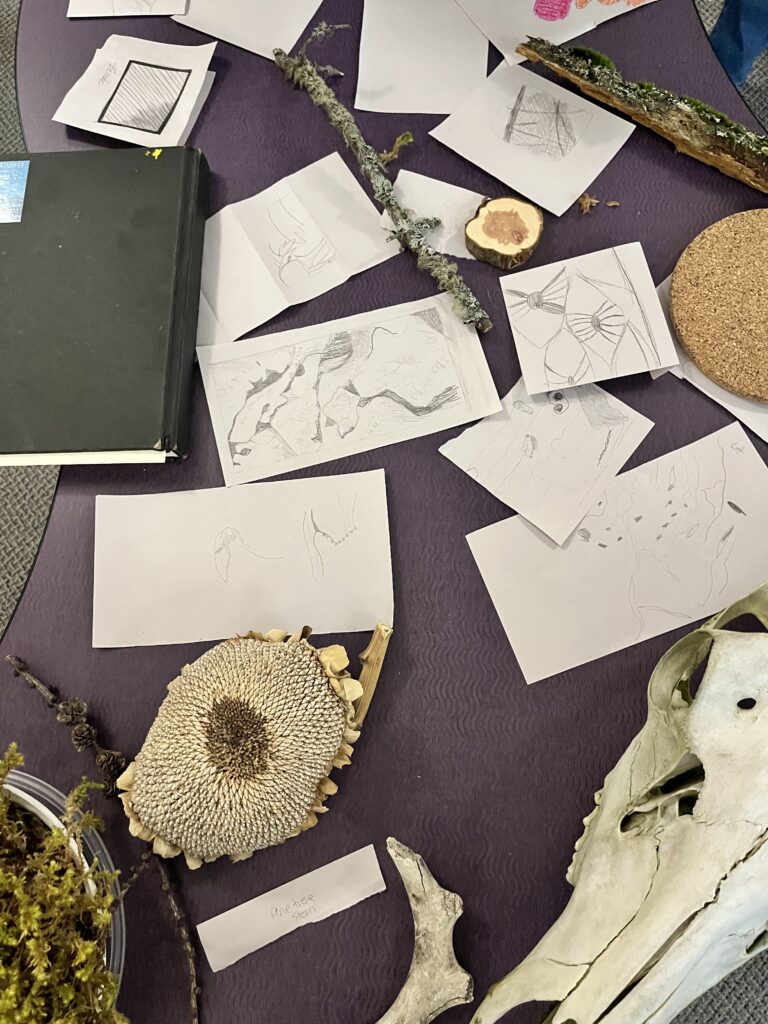
Introducing environmentalism at age appropriate stages, and not all at once is important to stave off the feeling of despair that causes us to distance ourselves from the source of that worry. Let us move slowly and with love and patience to inspire our students and ourselves toward more.