When curating a classroom library ensure that BIPOC books fully develop the character and ensure the protagonist is not objectified or used to teach a moral lesson (Harde, 2016).
Indigenous Books
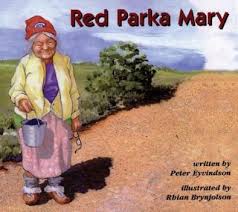
Harde quotes Clare Bradford who states “settler-society texts,” or books written by non-indigenous writers, can be used when authors, like Peter Eyvindson, create books wherein “Indigenous children can find themselves and their community depicted in positive and human ways in a variety of settings, urban, rural, and reserve” (Harde, 2016, p. 5). Eyvindson’s books are: Red Parka Mary, Jen and the Great One, Kookum’s Red Shoes, and Kyle’s Bath.
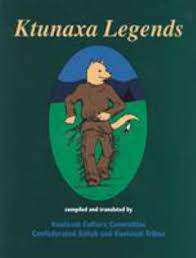
Harde talks a lot about using literature that is grounded in Oral Storytelling. Ktunaxa Legends comes to mind. Using a local resource like this will be a part of my diverse classroom.
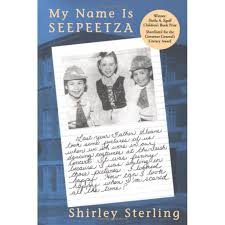
Some other books I would like to include in my classroom library are:
My Name is Seepetza by Shirley Sterling. This novel is about a 6 year old girl going to residential school.
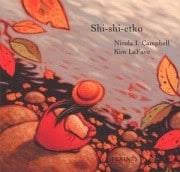
Shi-Shi-etko by Nicola I. Campbell. This story book is about a young girl and her family preparing for her to leave home for residential school.
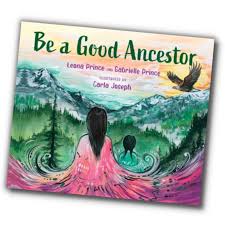
Be a Good Ancestor by Leona Prince and Gabrielle Prince. This picture book encourages the reader to consider how they are connected to the world around them.
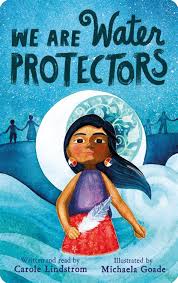
Water Protectors by Carole Lindstrom. This picture book encourages readers to protect the water as it is the source of life.
BIPOC Books
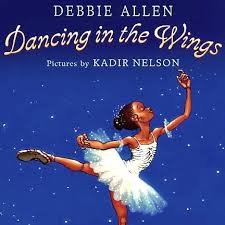
Dancing in the Wings by Debbie Allen. This picture book is about Sassy, a ballerina with big feet. Sassy is embarrassed by her feet, but in the end those feet allow her to do great things.
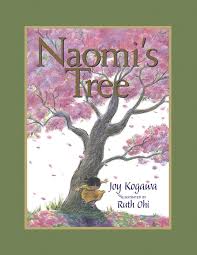
Naomi’s Tree by Joy Kogawa. This picture book is about Naomi, the heroine from Naomi’s Road and Obasan. This is an age appropriate introduction to Japanese Internment.
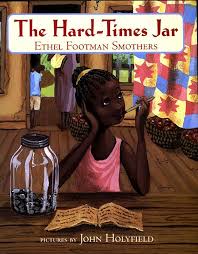
The Hard-Times Jar by Ethel Footman Smothers. This picture book is about distinguishing between want and need and a young girl’s love of reading and writing.
Read Aloud to All Ages
According to Molly Ness, author of Read Alouds for all Learners, students of all ages love to be read to. These books could either stand on their own as a novel study in the case of My Name is Seepetza, or as an anchor book for a larger unit.
BC Curriculum Connections
Using diverse books meets the BC Curricular Competencies for many grades:
– recognize the importance of story in personal, family, and community identity (comprehend and connect-kindergarten)
– recognize the role of language in personal, social, and cultural identity (comprehend and connect-grade 4)
– recognize the validity of First Peoples oral tradition for a range of purposes (comprehend and connect-grade 7)
Ideas to Encourage a Diverse Classroom
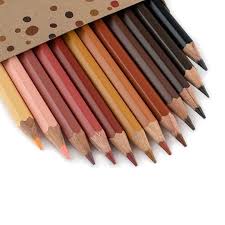
Other ways to increase diversity in my classroom will be to include a variety of options for skin colour. Growing up everyone was coloured peach or light pink. I think assumptions like this create a white-centric world view, and in small communities where there is not a lot of diversity it is even more important for teachers to provide opportunities for our students to broaden their thinking.
References
Harde, R. (2016). Putting first nations texts at the center. Bookbird: A Journal of International Children’s Literature, 54(1), 4–9. https://doi.org/10.1353/bkb.2016.0019
Curriculum. (n.d.-a). https://curriculum.gov.bc.ca/