Slow is faster than stuck. -Tom Frose

Category: Wonder Jounal

Phenomenon

Phenomena have been observed for thousands of years. Many different cultures have told stories and legends about what has caused what they observed. These stories and legends have often included a god as the “cause” in the cause and effect relationship. 
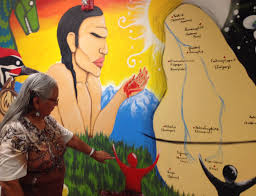
But what does this have to do with teaching? What does this have to do with how I as a Westerner interact with the local Ktunaxa people? 

For me the profound, “aha” moment came for me when Phil talked about how we as a society are smarter than those who came before us. Not necessarily more intelligent, but smarter because we are standing on the shoulders of those who came before us. Settlers who came before us did not understand the immense importance of listening to the Ktunaxa people about caring for the land. Therefore when I think about a scientific understanding I am drawn back to thinking about what the Original People have to say.
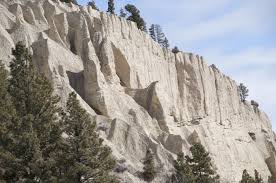
As a result, I can not discount the legends because they are not scientific. I see it as a different way of understanding. There is a scientific, Western understanding, that is valid and is useful in describing the physical reason for various phenomena. However, there is an equally valid spiritual, non-material, understanding as well. I often think that our Western understanding is hyper focused on the material world, and we lose sight of the beauty of the spiritual world. When I think about the Ktunaxa Creation story I am able to understand how important different understandings are because of the important relationships people have with the land when there is more than material at stake. The spiritual connection to landmarks like the hoodoos make taking care of the area an integral part of a person; however, if the connection is merely physical the connection is far easier to break.

An example of an activity I can use in my class to encourage thinking about various phenomena is described below: 

The only addition I would like to make would be to consider non-material explanations as well. This could be a wonderful way to tie in English Language Arts. Perhaps the students are asked to write a legend about what has caused this to occur. Allowing space for alternative, non-Western, explanation honours different ways of understanding.

See (observe)

Think (interpret)

Wonder (hypothesis)
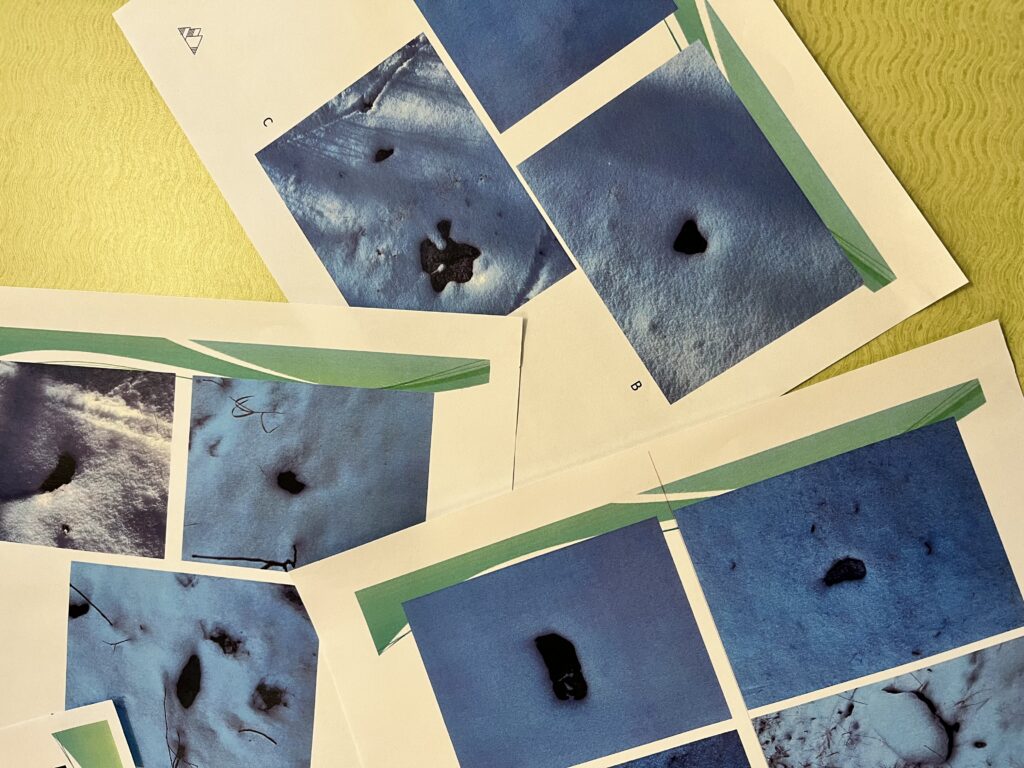
First observe a phenomenon. In our example we looked at pictures of rocks in snow. In this first step we were to record only what we saw and not make any conclusions at this point. 
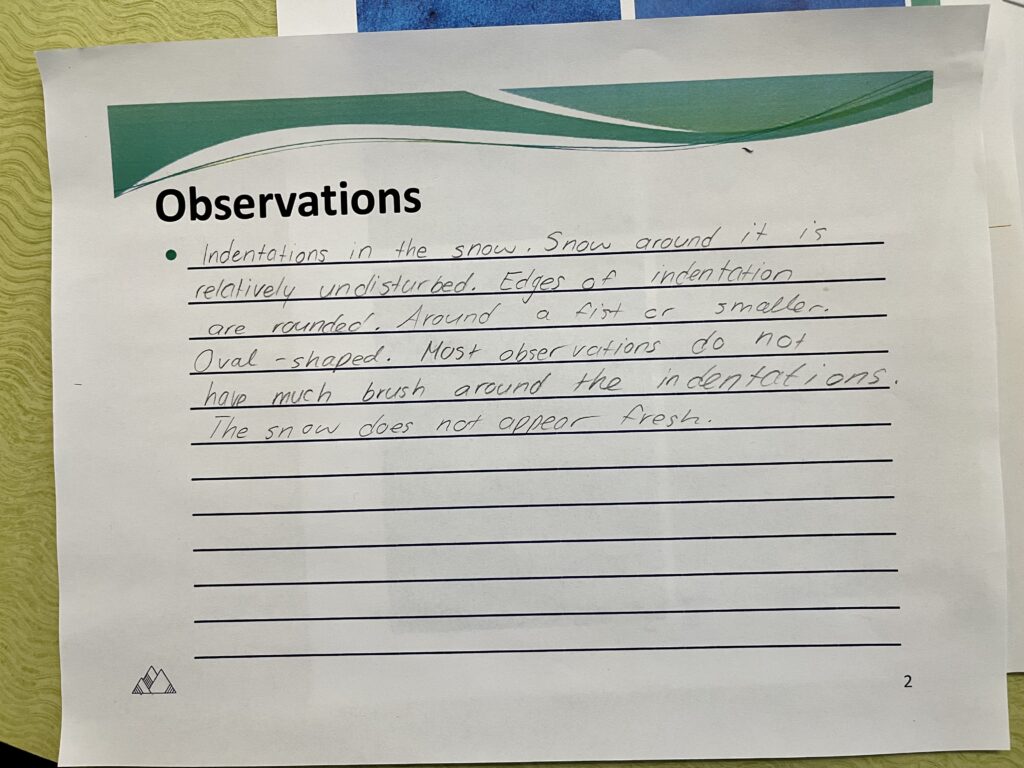
Next, we were to start interpreting our observations and putting the “puzzle” together. 
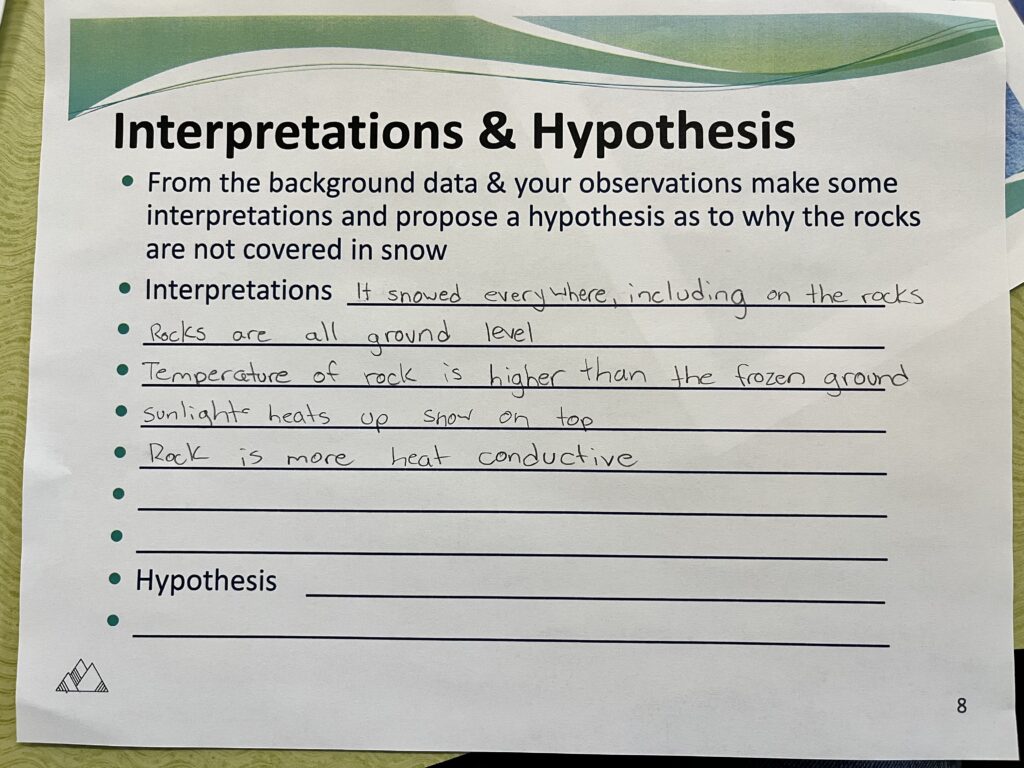
Finally, in the hypothesis stage we were to suggest a reason for why this event was happening. This is the stage where an inquiry project with the phrase, “your ideas are really thought provoking, we are going to do some research to find out what is happening.” 
Beyond Ecophobia

I don’t think that I am alone in feeling like environmentalism has felt so daunting and hopeless that it is hard to know where to begin. I care so deeply about Creation, yet feel so powerless to contribute anything truly meaningful. I make my efforts: planting a garden, composting, and conserving water; but what does that even matter when the big polluters of the world pour toxins into the atmosphere? I’m just one person. How much of a difference can I really make? And how much mental energy can I afford in feeling guilty when there is a beautiful life to get on with? 

I think I have fallen prey to ecophobia. I’ve been scared to the point of disassociation. I have consciously or subconsciously distanced myself from thinking about the state of the Planet and what the future holds. While I do think there is some wisdom in not becoming worried about things beyond your control, I also think there is some apathy that sets in. 

Moving beyond echophobia, for me, requires us to step back and fall in love with the living world. Instead of becoming hostile towards it we simply need to spend time being in it. 

In an educational setting this means taking our students outside. Planning activities that inspire empathy. For example, I loved the group that made bird wings for each child. They spent time being in the woods like birds: making nests and painting their wings to look like the birds they saw. This activity sparked the children’s natural curiosity to find out more about the birds: what did they eat, what did they need to survive, and how can I help? This activity is good for the primary years.

Other age appropriate activities for the intermediate years could be making maps of the local area around each child’s home, school, and community. Additionally, fort building outside in nature is very beneficial to connecting to the land at this age. Or perhaps exploring a creek to study the water cycle: “Wet sneakers and muddy clothes are prerequisites for understanding the water cycle” (Beyond Ecophobia, David Sobel, 1993).

Once children reach adolescence, around age 12-15, they are ready to start thinking beyond their own small world and expand their love of nature and the Earth. This is the stage where social action becomes appropriate.

Introducing environmentalism at age appropriate stages, and not all at once is important to stave off the feeling of despair that causes us to distance ourselves from the source of that worry. Let us move slowly and with love and patience to inspire our students and ourselves toward more.

Asters and Goldenrods: The Importance of Seeing Beauty in Science

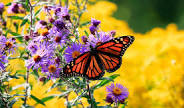
Asters and Goldenrods. Purple and gold. These colours are pleasing to us for a very good reason. These colours complement each other. As Robin Wall Kimmerer notices, in Braiding Sweetgrass: Indigenous Knowledge, Scientific Wisdom, and the Teaching of Plants, these flowers do not need to be pleasing to humans for survival. So why do they bother, scientifically speaking? It just so happens, Kimmerer explains, that what is beautiful to us two legged creatures, is also pleasing to the winged pollinators. 

This got me to thinking that just because I cannot explain something scientifically, whether that is because I lack the knowledge or because it has not been discovered yet, does not mean that the thing in question is to be discounted. For me this is profound as a teacher. While I want to teach my students the information that is in the Curriculum, I also want them to understand that the Western perspective is lacking. There is profound beauty in other ways of understanding.

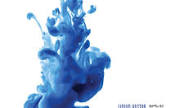
In our science demonstrations I noticed just how beautiful food colouring is in cold water. A spreading orb of colour suspended in liquid, spreading as if in slow motion. There is of course a scientific explanation for this. However, that explanation does not discount the moment of peace and joy I felt at seeing that. I did not feel those things because I understood the molecules were moving slowly and were therefore not spreading the colour around as quickly as the hot water in the neighbouring container. No. It was a simple moment of observed beauty. If I can teach that to my students, that everything is connected, science-art-regulation-math-love-the whole world, then I will be a part of something truly beautiful. 

Some tools I picked up that I do not want to forget are:

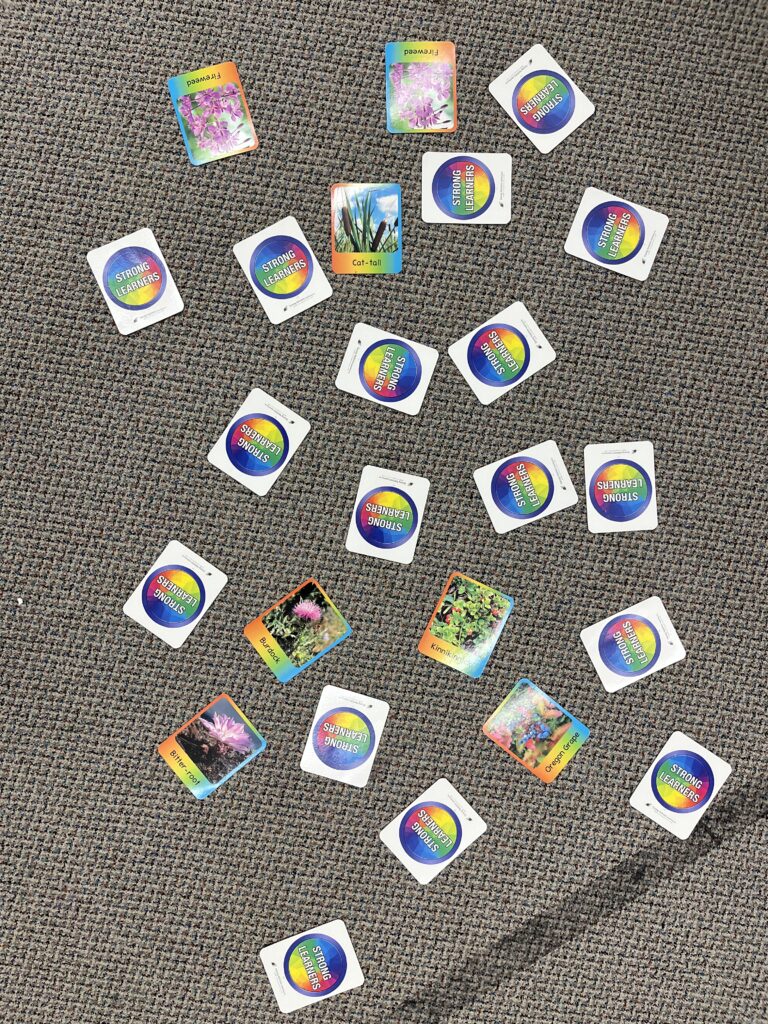
Using this matching game to learn local plants paired with the First Voices app to learn the names in Ktunaxa. In order to make the game go faster, leave the cards face up so kids can find a match easier. 

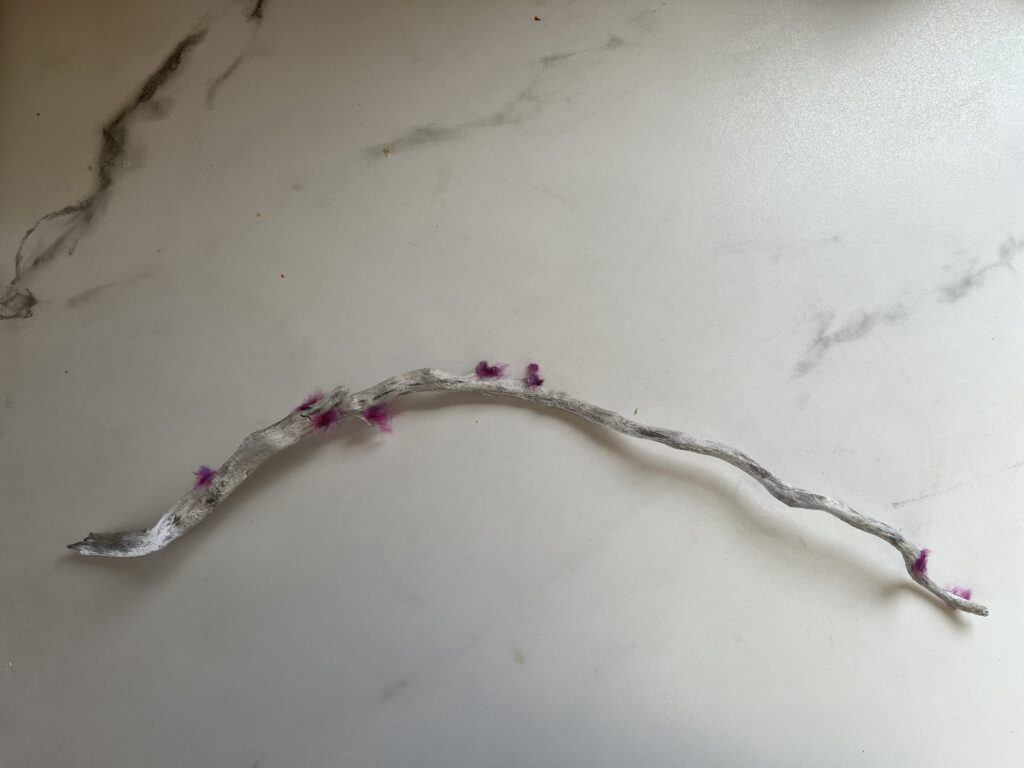
Also a great cross-curricular activity is to collect sticks and have the students make up a new plant. Have them write the name, how they found it, and what it is used for. 

To Hypothesize or Not to Hypothesize, that is the Question.

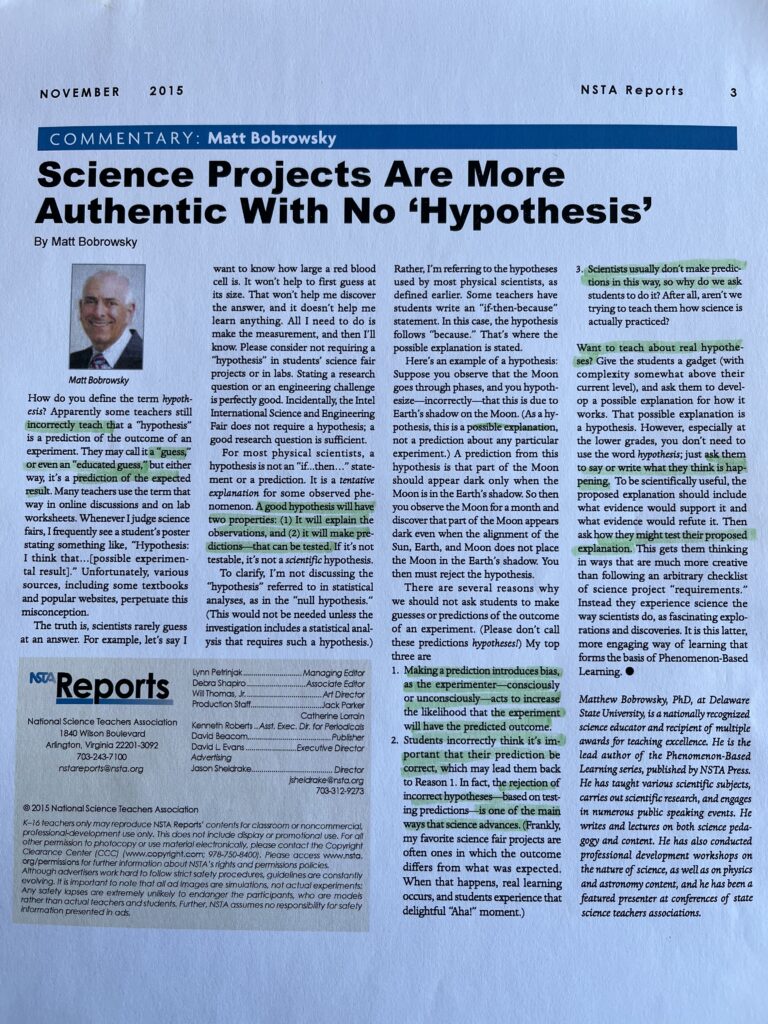
I grew up in a time, and I think many of us have, when we got ready for our school science fair every year. We would each come up with an hypothesis. We would employ the scientific method, create our tri-fold poster, and present. Job well done. But what about if we challenged the traditional science fair hypothesis tradition, and embraced instead what Matt Bobrowsky argues, that “science projects are more authentic with no ‘hypothesis’” (Bobrowsky, 2015)? I wonder how I can foster a love of learning and questioning without buying in to the old traditional ways of “doing the science fair”?

One way is to use the POE method: Predict, Observe, Explain. In this method students do not skew their results to fit what their hypothesis is, and engage in real learning to explain what they observe. This becomes a celebration of learning instead of a box to tick.

I wonder if this kind engagement will really prepare our students for the future and inspire new discovery

I wonder how I might adapt the POE method for the early years and the intermediate-to-middle school years.

Observation

Coming from a liberal arts background the phrase “scientific observation” was slightly intimidating. However, when I began to understand that scientific observation can take the form of a sweet child wandering around her yard looking for evidence of fairies I was heartened. 

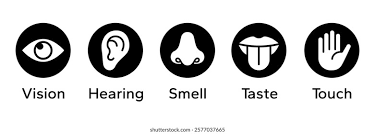
As an elementary teacher I can create activities that encourage my students to use all of their senses (maybe minus taste) to observe the world around them. 

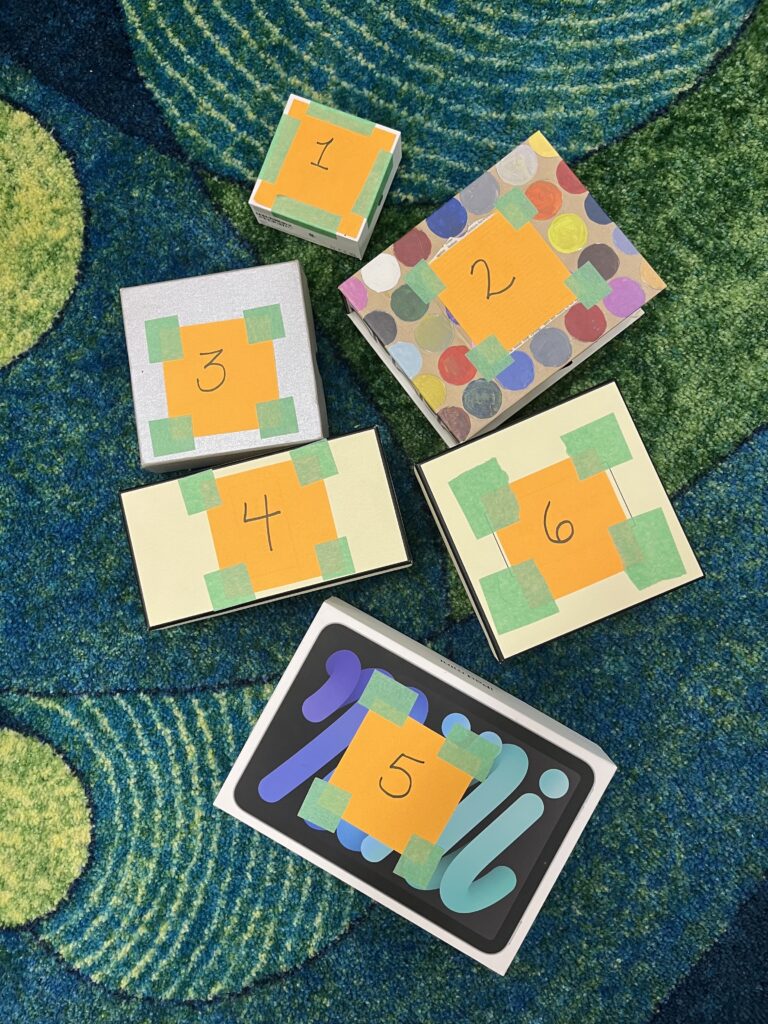
Here is an activity I learned in my Science Curriculum class that illustrates this exactly. To play, the teacher divides the class into 6 groups. Each group has a recording sheet and a numbered box. The group members use their senses to observe and predict what is inside the box. After each group has had each box the teacher reveals what is inside each box. This is a great game to play with all ages as I fully enjoyed it as an adult. 

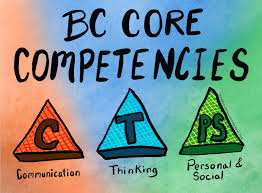
This game also engages the Core Competency of Critical and Reflective Thinking perfectly as students have to analyze and make judgements. Furthermore, they have to work as a team to make a singular prediction which touches on Social Awareness and Responsibility. 

I still wonder how I can encourage curiosity and wonder, use Indigenous ways of approaching nature, and teach all that I need to teach in the Science Curriculum. Sometimes I feel like I am ill equipped. I imagine this is why we lean on one another as teachers, using ideas like those above, and become friendly thieves and generous givers.